About
Apogee is an independent, volunteer-run observing network linking twelve amateur telescopes into a single shared schedule, founded in 2018.
How we started
Apogee began as three observers on a shared spreadsheet, trying not to duplicate each other’s work on the same handful of interesting targets. The spreadsheet is now proper scheduling software, but the founding idea hasn’t changed: coordinated amateur observing can cover ground that no single telescope, however good, can manage alone.
Our approach
Every observer sets their own hours and keeps ownership of their equipment. The network’s job is coordination — a shared target list, a public archive, and enough cross-referencing between nodes that a single observer’s result can actually be trusted by everyone else using the data.
What we won’t do
We don’t charge a membership fee, we don’t require a specific equipment tier, and we don’t quietly upgrade an observation’s confidence status without an independent cross-check actually happening. An honest “still monitoring” is more useful to the archive than a premature “confirmed.”
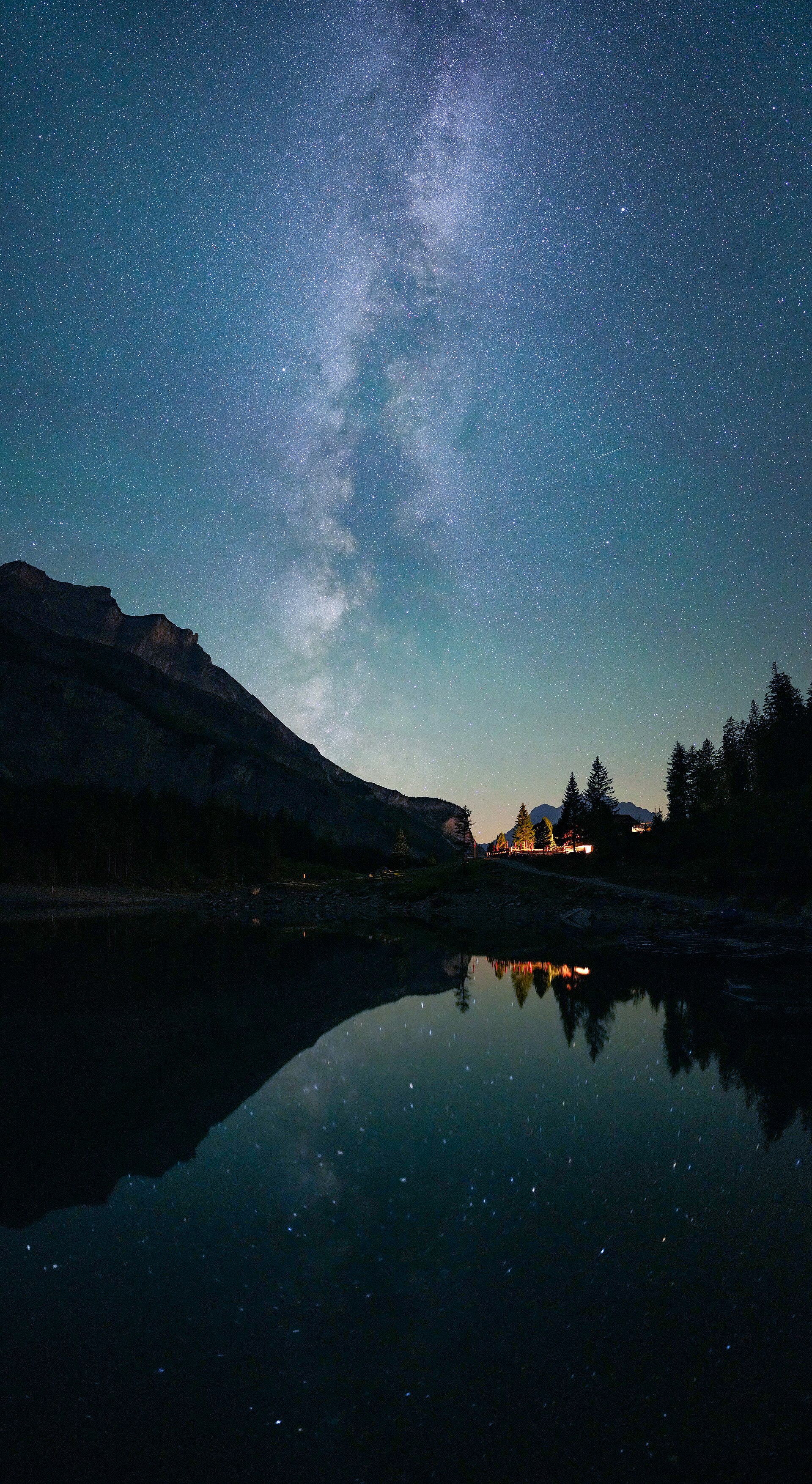
Twelve backyards, one schedule.
Apogee started in 2018 as three volunteers comparing notes on a shared spreadsheet. It is still volunteer-run — the difference is the spreadsheet is now a proper scheduling system linking telescopes on four continents.
Every observer sets their own hours. The network software just makes sure no two people burn a clear night on the same target while a dozen others go unwatched.
- Twelve independently owned telescopes, one shared schedule
- Every observation logged publicly, confirmed or not
- No membership fee, no equipment requirement beyond a working setup
Orbits change. We keep watching.
A near-earth object's orbit isn't fixed — gravitational nudges from planets shift it slightly on every pass. Repeated observation, not a single confirmed sighting, is what actually keeps a hazard catalog accurate.
Nine people keeping the schedule honest.
Nine volunteers keep the shared schedule, the archive, and the onboarding process running.
N. Farrow
R. Iyer
T. Bergstrom
M. Cissé
A. Novak
K. Whitfield
D. Okoro
S. Lindqvist
J. Park
Own a telescope? We can use the clear nights.
Apogee is free to join for any observer with a documented setup. We provide the scheduling software and target list — you provide the sky.